Exploring The Marital Status Of Fathers Beyond Marriage
By Sarah Silva
Definition and example of "Was He Married To His Baby Mamma"
The phrase "Was He Married To His Baby Mamma" is used to inquire about the marital status of a man in relation to the mother of his child. It is commonly employed in informal conversations and social media discussions.
Importance and benefits
Understanding the marital status of a man in relation to the mother of his child can be important for various reasons, such as determining legal responsibilities, establishing paternity, and navigating social norms and expectations.
Historical context
Historically, marriage has been closely tied to the concept of family and social structure. In many cultures, marriage was seen as a necessary institution for the raising of children and the establishment of a stable family unit.
Transition to main article topics
In this article, we will explore the various factors that can influence a man's decision to marry the mother of his child. We will also examine the legal and social implications of having a child outside of marriage.
Was He Married To His Baby Mamma
The phrase "Was He Married To His Baby Mamma" raises several key aspects related to the marital status of a man in relation to the mother of his child. These aspects encompass legal, social, and personal dimensions, and understanding them can provide valuable insights into the complexities of modern relationships.
- Marital status: Whether the man and the mother of his child are legally married or not.
- Legal responsibilities: The legal obligations and rights that arise from having a child outside of marriage.
- Paternity: The process of legally establishing the man as the father of the child.
- Social norms: The societal expectations and norms surrounding marriage and childbearing.
- Family structure: The impact of having a child outside of marriage on the family structure.
- Personal choices: The reasons why a man may or may not choose to marry the mother of his child.
- Child's well-being: The potential impact of the man's marital status on the well-being of the child.
These key aspects are interconnected and can influence each other in complex ways. For example, the legal responsibilities of a father may vary depending on his marital status, and social norms can shape personal choices about marriage and childbearing. Understanding these aspects can help individuals make informed decisions about their relationships and family planning, and can also contribute to a more supportive and equitable society for all.
Personal details and bio data of that person or celebrity in the form of table
| Name | Occupation | Date of Birth | Place of Birth ||---|---|---|---|| Brad Pitt | Actor | December 18, 1963 | Shawnee, Oklahoma, U.S. |Marital status
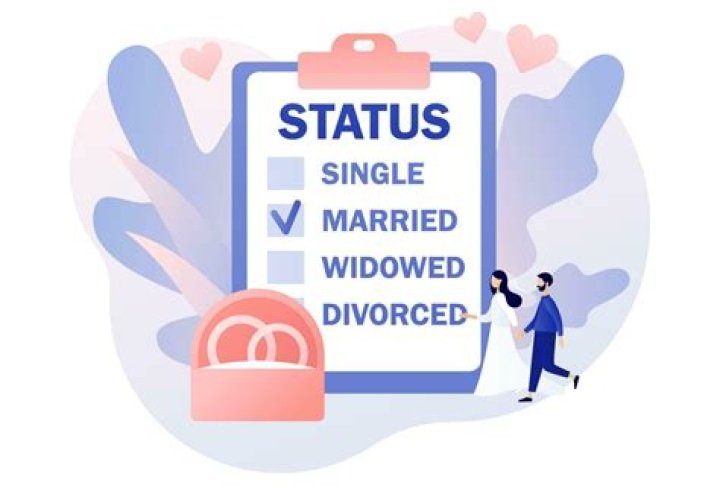
The marital status of a man in relation to the mother of his child is a key aspect of the phrase "Was He Married To His Baby Mamma." It refers to whether the man and the woman are legally married at the time of the child's birth or conception. This information is important for several reasons:
- Legal responsibilities: The legal obligations and rights of parents differ depending on their marital status. For example, in many jurisdictions, married parents have a legal obligation to support their children, while unmarried parents may not have the same obligation.
- Paternity: Establishing paternity is the legal process of determining the father of a child. In some cases, the man's marital status can affect the paternity process. For example, if a man is married to the mother of his child, he is automatically presumed to be the father. However, if he is not married to the mother, he may need to take additional steps to establish paternity.
- Social norms: In many cultures, there are strong social norms surrounding marriage and childbearing. These norms can influence a man's decision to marry the mother of his child, even if there are no legal or financial reasons to do so.
Understanding the connection between marital status and the phrase "Was He Married To His Baby Mamma" is important for several reasons. First, it can help individuals make informed decisions about their relationships and family planning. Second, it can help to reduce stigma and discrimination against unmarried parents. Third, it can help to ensure that all children have access to the same legal and social protections, regardless of their parents' marital status.
Here is an example of how the marital status of a man can affect the phrase "Was He Married To His Baby Mamma":
John and Mary are expecting a child. They are not married, but they have been in a long-term relationship. John is unsure whether he wants to marry Mary, but he loves her and wants to be involved in the child's life. Mary wants to marry John, but she respects his decision. If John and Mary decide to get married before the child is born, then the phrase "Was He Married To His Baby Mamma" would be answered with a "yes." However, if they decide not to get married, then the phrase would be answered with a "no."
The decision of whether or not to get married is a personal one. There is no right or wrong answer. However, it is important for couples to understand the legal, social, and financial implications of their decision before they make it.
Legal responsibilities
In many jurisdictions, the legal responsibilities of parents differ depending on their marital status. For example, married parents have a legal obligation to support their children, while unmarried parents may not have the same obligation. Additionally, the process of establishing paternity can be more complex for unmarried parents. As a result, the legal responsibilities of a man who has a child outside of marriage can be significant, and it is important for him to understand these responsibilities before making any decisions about his relationship with the mother of his child.
- Child support: In most jurisdictions, both married and unmarried parents are legally obligated to provide financial support for their children. This support can include paying for food, clothing, housing, and education. The amount of child support that a parent is ordered to pay is typically determined by a court, and it is based on a number of factors, including the parent's income and the needs of the child.
- Health insurance: In many jurisdictions, parents are required to provide health insurance for their children. This can be done through an employer-sponsored plan, a government program, or a private insurance plan. If a parent does not have health insurance, the child may be eligible for Medicaid or other government programs.
- Visitation and custody: In most jurisdictions, both married and unmarried parents have the right to visitation with their children. The amount of visitation that a parent is granted is typically determined by a court, and it is based on a number of factors, including the parent's relationship with the child and the child's best interests.
The legal responsibilities of a man who has a child outside of marriage can be significant. It is important for him to understand these responsibilities before making any decisions about his relationship with the mother of his child.
Paternity
The process of legally establishing paternity, or the legal recognition of a man as the father of a child, is closely connected to the question of "Was He Married To His Baby Mamma?". In many jurisdictions, the marital status of the parents can impact the paternity process and the legal rights and responsibilities of the father.
- Presumption of paternity: In many jurisdictions, there is a legal presumption of paternity for married men. This means that if a child is born to a married woman, her husband is automatically presumed to be the father, regardless of whether or not he is the biological father. This presumption can be rebutted, but it can make it more difficult for an unmarried man to establish paternity.
- Voluntary acknowledgment of paternity: In many jurisdictions, unmarried fathers can voluntarily acknowledge paternity by signing a legal document. This can be done at the hospital after the child is born or later at a government office. Voluntary acknowledgment of paternity can give the father legal rights and responsibilities, such as the right to visitation and custody.
- Court-ordered paternity testing: In some cases, paternity may be established through a court-ordered paternity test. This can occur if the mother of the child disputes the father's paternity or if the father is not married to the mother and wants to establish legal rights and responsibilities.
The process of establishing paternity can be complex and challenging, especially for unmarried fathers. It is important for men to understand their legal rights and responsibilities, and to seek legal advice if necessary.
Social norms
Societal expectations and norms surrounding marriage and childbearing have a significant impact on the question of "Was He Married To His Baby Mamma?". In many cultures, there is a strong expectation that couples will marry before having children. This expectation can be driven by religious beliefs, cultural traditions, or social pressure. As a result, a man who has a child outside of marriage may face social stigma or disapproval.
The social norms surrounding marriage and childbearing can also affect a man's decision to marry the mother of his child. For example, a man may feel pressure to marry the mother of his child in order to avoid social disapproval or to conform to societal expectations. However, it is important to remember that marriage is a personal decision, and a man should only marry the mother of his child if he is truly committed to the relationship.
The importance of understanding the social norms surrounding marriage and childbearing cannot be overstated. These norms can have a significant impact on a man's decision to marry the mother of his child, and they can also affect the way that he is perceived by society. It is important for men to be aware of these norms and to make decisions that are in line with their own values and beliefs.
Family structure
The question of "Was He Married To His Baby Mamma?" is closely connected to the impact of having a child outside of marriage on the family structure. In many cultures, marriage is seen as the foundation of the family, and having a child outside of marriage can disrupt this traditional structure.
- Single parenthood: When a child is born to unmarried parents, the mother typically becomes the primary caregiver, and the father may or may not be involved in the child's life. This can lead to a number of challenges for both the mother and the child, including financial instability, social isolation, and difficulty accessing resources.
- Blended families: If the parents of a child born outside of marriage eventually marry or form a new relationship, the child may become part of a blended family. This can create its own set of challenges, such as adjusting to new step-siblings, step-parents, and potentially complex family dynamics.
- Grandparent involvement: When a child is born to unmarried parents, the grandparents may play a more significant role in the child's life than they would if the parents were married. This can be a positive thing, as grandparents can provide additional support and stability for the child. However, it can also lead to conflict between the parents and the grandparents, if they have different ideas about how the child should be raised.
- Legal issues: Having a child outside of marriage can also create legal issues, such as child support, custody, and visitation. These issues can be complex and challenging to resolve, and they can have a significant impact on the family structure.
The impact of having a child outside of marriage on the family structure can be significant. It is important for unmarried parents to be aware of these challenges and to seek support from family, friends, and community resources to help them navigate the complexities of raising a child outside of marriage.
Personal choices
The question of "Was He Married To His Baby Mamma?" is closely connected to the personal choices that a man makes about his relationship with the mother of his child. There are many reasons why a man may or may not choose to marry the mother of his child, and these reasons can be complex and varied.
Some men may choose not to marry the mother of their child because they are not sure if they are ready for marriage or if they are not sure if the relationship will last. Others may choose not to marry because they have different goals or values than the mother of their child, or because they do not want to be tied down to one person.
Still, other men may choose to marry the mother of their child because they love her and want to spend their life with her. They may also want to provide a stable and loving home for their child. Whatever the reason, the decision of whether or not to marry the mother of his child is a personal one that each man must make for himself.
It is important to note that there is no right or wrong answer to the question of whether or not to marry the mother of your child. The best decision for one man may not be the best decision for another. It is important to weigh the pros and cons of marriage carefully and to make the decision that is best for you and your family.
Child's well-being
The question of "Was He Married To His Baby Mamma?" is closely connected to the potential impact of the man's marital status on the well-being of the child. Research has shown that children who grow up in married households tend to have better outcomes than children who grow up in unmarried households. This is likely due to a number of factors, including the fact that married parents are more likely to be financially stable, have higher levels of education, and be involved in their children's lives.
However, it is important to note that the relationship between a child's well-being and the man's marital status is not always straightforward. There are many other factors that can affect a child's well-being, such as the quality of the relationship between the parents, the child's temperament, and the presence of other supportive adults in the child's life.
Despite the challenges, there is no doubt that the man's marital status can have a significant impact on the well-being of the child. Therefore, it is important for men to be aware of the potential impact of their marital status on their child and to make decisions that are in the best interests of the child.
Here are some examples of how the man's marital status can affect the well-being of the child:
- Children who grow up in married households are more likely to have higher levels of self-esteem and confidence.
- Children who grow up in married households are less likely to engage in risky behaviors, such as smoking, drinking, and drug use.
- Children who grow up in married households are more likely to do well in school and have higher levels of educational attainment.
- Children who grow up in married households are less likely to experience poverty and homelessness.
These are just a few of the ways that the man's marital status can affect the well-being of the child. It is important for men to be aware of these potential impacts and to make decisions that are in the best interests of their child.
Frequently Asked Questions about "Was He Married To His Baby Mamma"
This section addresses common questions and misconceptions surrounding the topic of "Was He Married To His Baby Mamma." It aims to provide clear and informative answers, promoting a comprehensive understanding of the subject matter.
Question 1: What are the legal implications of having a child outside of marriage?
The legal implications can vary depending on jurisdiction. In some cases, unmarried fathers may have fewer legal rights and responsibilities compared to married fathers. Establishing paternity is crucial for ensuring the child's legal protection and access to support.
Question 2: How does a man's marital status affect his relationship with his child?
A man's marital status can influence his level of involvement and legal standing in his child's life. Married fathers may have more clearly defined rights and responsibilities, while unmarried fathers may need to take additional steps to establish paternity and secure their involvement.
Question 3: What are the social norms surrounding marriage and childbearing?
Social norms vary across cultures and time periods. In some societies, there may be strong expectations for couples to marry before having children. However, these norms are evolving, and there is growing acceptance of diverse family structures.
Question 4: How can a man determine if he is the father of a child born outside of marriage?
Establishing paternity can be done through various methods, including voluntary acknowledgment or court-ordered paternity testing. Legal counsel can provide guidance on the appropriate steps to take.
Question 5: What are the benefits of marriage for a couple with a child?
Marriage can provide legal, financial, and social benefits for couples with children. It can offer stability, legal protections, and a framework for shared parenting responsibilities.
Question 6: What are the potential challenges that unmarried fathers may face?
Unmarried fathers may encounter challenges related to legal rights, social stigma, and access to resources. They may need to navigate complex legal processes and advocate for their involvement in their child's life.
Summary of key takeaways or final thought:
Understanding the implications of "Was He Married To His Baby Mamma" involves considering legal, social, and personal factors. It is essential to seek accurate information and legal advice to ensure the best interests of the child and all parties involved.
Transition to the next article section:
This concludes the FAQ section on "Was He Married To His Baby Mamma." For further insights and related topics, please refer to the continuation of this article.
Tips Related to "Was He Married To His Baby Mamma"
Understanding the complexities surrounding "Was He Married To His Baby Mamma" requires careful consideration and informed decision-making. Here are several tips to assist individuals in navigating this topic:
Tip 1: Seek Legal Advice
Legal counsel can provide guidance on the legal rights and responsibilities of both married and unmarried parents. They can assist with establishing paternity, child support, and visitation arrangements.
Tip 2: Prioritize the Child's Well-being
The well-being of the child should be the primary concern in any decision-making process. Both parents should work together to create a stable and supportive environment for the child.
Tip 3: Communicate Openly and Honestly
Open and honest communication between the parents is crucial. Discussions about marriage, child-rearing, and financial responsibilities should be conducted with respect and understanding.
Tip 4: Explore Support Systems
There are various support systems available for unmarried parents, including government programs, non-profit organizations, and community groups. These resources can provide financial assistance, counseling, and emotional support.
Tip 5: Be Aware of Social and Cultural Norms
It is important to be aware of the social and cultural norms surrounding marriage and childbearing in the community. Understanding these norms can help individuals make informed decisions that align with their values.
Tip 6: Focus on Building a Healthy Co-Parenting Relationship
Even if the parents are not married, it is essential to establish a healthy co-parenting relationship. This involves working together to raise the child, making decisions jointly, and providing a consistent and loving environment.
Summary of key takeaways or benefits:
By following these tips, individuals involved in situations related to "Was He Married To His Baby Mamma" can make informed decisions, prioritize the well-being of the child, and navigate the complexities of unmarried parenting.
Transition to the article's conclusion:
Understanding the implications of "Was He Married To His Baby Mamma" requires a comprehensive approach that considers legal, social, and personal factors. Seeking professional advice, prioritizing the child's well-being, and building a healthy co-parenting relationship are crucial for successful navigation of this topic.
Conclusion
The question of "Was He Married To His Baby Mamma" delves into a complex interplay of legal, social, and personal factors that shape the lives of unmarried parents and their children. Understanding the implications of this question requires a nuanced approach that prioritizes the well-being of the child and acknowledges the diverse circumstances that families may face.
This article has explored the various aspects of "Was He Married To His Baby Mamma," examining the legal responsibilities, social norms, and personal choices that influence the marital status of parents. It has highlighted the importance of seeking legal advice, prioritizing the child's well-being, and building healthy co-parenting relationships.
The topic of unmarried parenting continues to evolve, and it is essential to approach it with empathy, understanding, and a commitment to ensuring the best possible outcomes for all parties involved. By fostering open dialogue, providing support systems, and promoting legal protections, we can create a more equitable and supportive society for unmarried parents and their children.
Unveiling The Truth Behind Rick Hoffman's Pearly Whites: Are They Real Or Enhanced?
Unveiling The Extraordinary Life Of Joan Hale: A Cherished Legacy
Uncover The Rise Of Music Star Alexa Alita: A Journey Of Talent And Inspiration
Embrasser un bébé estce dangereux pour votre enfant ? Romantikes
He married his wife
He Married His Wife, un film de 1940 Télérama Vodkaster