
Unlock The Sweet Secrets Of Mia Honey: A Journey Of Discovery
By Zoe Patterson
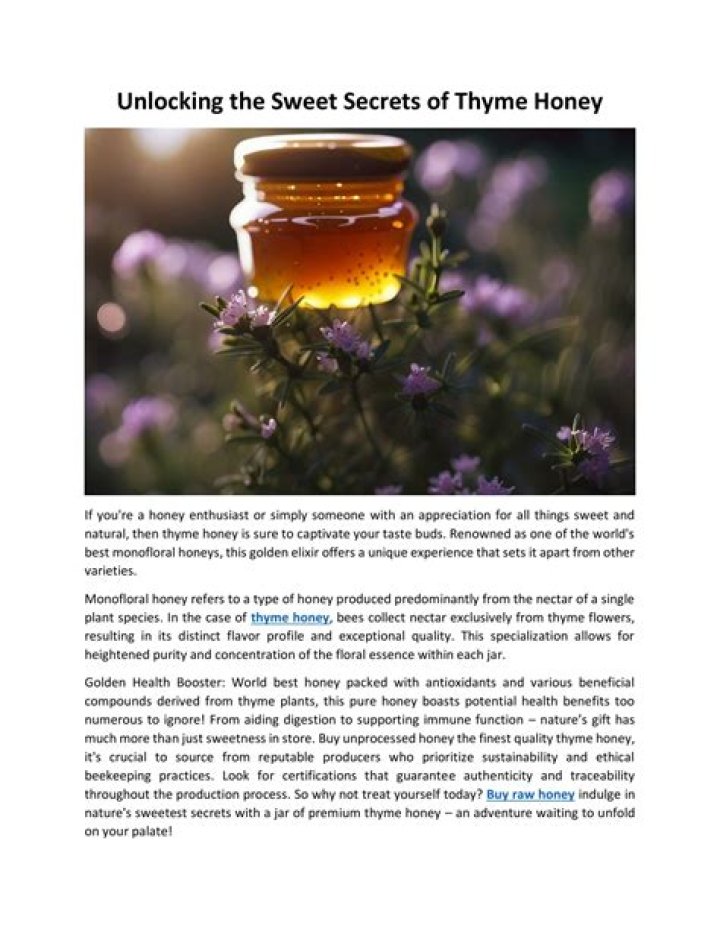
Mia honey, also known as "multiflora honey," is a type of honey produced by bees that feed on the nectar of various wildflowers and plants. It is prized for its diverse flavors and potential health benefits.
Mia honey is considered a superfood due to its rich antioxidant content. Antioxidants help protect the body from damage caused by free radicals, which are unstable molecules that can contribute to aging and chronic diseases. Additionally, mia honey contains antimicrobial and antibacterial properties, making it a natural remedy for sore throats, coughs, and other ailments.
The unique flavor profile of mia honey varies depending on the specific flowers and plants that the bees visit. It can range from light and floral to dark and robust, with notes of caramel, nuts, or citrus. This versatility makes it a popular ingredient in both sweet and savory dishes, from breakfast toast to salad dressings and marinades.
Mia honey
Mia honey, also known as multiflora honey, is a type of honey produced by bees that feed on the nectar of various wildflowers and plants. It is prized for its diverse flavors and potential health benefits.
- Diverse flavors: Mia honey's flavor profile varies depending on the specific flowers and plants that the bees visit, resulting in a range of flavors from light and floral to dark and robust.
- Rich in antioxidants: Mia honey is considered a superfood due to its high antioxidant content, which helps protect the body from damage caused by free radicals.
- Antimicrobial and antibacterial properties: Mia honey has antimicrobial and antibacterial properties, making it a natural remedy for sore throats, coughs, and other ailments.
- Versatility in cooking: Mia honey's unique flavor profile makes it a popular ingredient in both sweet and savory dishes, from breakfast toast to salad dressings and marinades.
- Natural sweetener: Mia honey is a natural sweetener that can be used as a healthier alternative to sugar.
- Supports local ecosystems: By supporting bee populations, mia honey production contributes to the health of local ecosystems.
- Sustainable and renewable resource: Honey production is a sustainable and renewable practice that does not harm the environment.
- Cultural significance: Mia honey has been used for centuries in traditional medicine and cooking practices around the world.
- Economic benefits: Honey production provides economic benefits to beekeepers and local communities.
In summary, mia honey is a versatile and beneficial food product with a rich flavor profile, potential health benefits, and cultural significance. Its production supports local ecosystems and provides economic benefits, making it a sustainable and valuable resource.
Diverse Flavors
Mia honey's flavor profile is highly diverse, ranging from light and floral to dark and robust, due to the varying types of flowers and plants that the bees visit. This diversity is a key characteristic of mia honey and contributes to its widespread culinary applications.
- Floral Sources: The specific flowers and plants that the bees visit greatly influence the flavor of mia honey. For example, honey produced from clover flowers tends to have a mild, delicate flavor, while honey from buckwheat flowers has a strong, molasses-like flavor.
- Seasonal Variations: The flavor of mia honey can also vary depending on the season, as the bees' access to different flowers changes throughout the year. Spring honey, for instance, often has a lighter, more floral flavor, while fall honey tends to be darker and more robust.
- Regional Variations: The flavor of mia honey can also vary depending on the region where it is produced. This is due to the different types of flowers and plants that are available to the bees in different parts of the world.
- Culinary Applications: The diverse flavors of mia honey make it a versatile ingredient in both sweet and savory dishes. It can be used as a natural sweetener in baked goods, beverages, and desserts, or as a glaze for meats and vegetables.
In summary, the diverse flavors of mia honey are a result of the varying floral sources, seasonal variations, and regional differences that the bees encounter. This diversity contributes to the unique characteristics of mia honey and makes it a valuable ingredient in a wide range of culinary applications.
Rich in antioxidants
Mia honey is widely recognized for its high antioxidant content, which contributes to its status as a superfood. Antioxidants play a crucial role in protecting the body against damage caused by free radicals, which are unstable molecules that can lead to oxidative stress and chronic diseases.
- Role of Antioxidants: Antioxidants neutralize free radicals by donating electrons, stabilizing them and preventing them from causing damage to cells and DNA.
- Sources of Antioxidants in Mia Honey: The primary sources of antioxidants in mia honey are flavonoids and phenolic acids, which are naturally occurring compounds found in plants. These compounds have been shown to possess strong antioxidant and anti-inflammatory properties.
- Health Benefits of Antioxidants: The antioxidants in mia honey have been linked to a range of health benefits, including reduced risk of heart disease, cancer, and neurodegenerative disorders. Antioxidants also support immune function and protect against premature aging.
- Mia Honey as a Natural Antioxidant Source: Mia honey is a natural and unprocessed food that provides a rich source of antioxidants. It is a more nutritious and flavorful alternative to refined sugars and artificial sweeteners.
In summary, the high antioxidant content of mia honey is a key factor contributing to its superfood status. Antioxidants protect the body against free radical damage, promote overall health, and offer protection against various chronic diseases.
Antimicrobial and antibacterial properties
Mia honey's antimicrobial and antibacterial properties stem from its unique composition, which includes hydrogen peroxide, bee defensin-1, and other compounds that inhibit the growth and proliferation of bacteria. These properties make mia honey an effective natural remedy for a variety of ailments, including sore throats, coughs, and other infections.
For instance, a study published in the journal "Pediatrics" found that honey was more effective than over-the-counter cough suppressants in reducing the frequency and severity of coughs in children. Another study, published in the journal "Wound Repair and Regeneration," found that honey was effective in promoting wound healing and reducing the risk of infection.
The antimicrobial and antibacterial properties of mia honey make it a valuable addition to any natural medicine cabinet. It is a safe and effective way to treat a variety of common ailments, and it can also be used as a preventive measure to boost the immune system and protect against infection.
In summary, mia honey's antimicrobial and antibacterial properties are a key component of its overall health benefits. These properties make it a natural remedy for a variety of ailments, and they also contribute to mia honey's ability to boost the immune system and protect against infection.
Versatility in cooking
Mia honey's versatility in cooking stems from its unique flavor profile, which ranges from light and floral to dark and robust. This diversity of flavors makes it a popular ingredient in both sweet and savory dishes, as it can complement a wide range of flavors and textures.
For instance, mia honey's delicate floral flavors pair well with fruits and yogurt in breakfast parfaits and smoothies. Its rich, caramel-like flavors enhance the taste of baked goods, such as cakes, cookies, and muffins. Additionally, mia honey's robust flavors add a touch of sweetness and depth to savory dishes, such as marinades for grilled meats and dressings for salads and roasted vegetables.
The versatility of mia honey makes it a valuable ingredient for both home cooks and professional chefs. It is a natural sweetener that can be used to replace refined sugars, and it also adds a unique flavor dimension to dishes that cannot be achieved with other sweeteners.
In summary, mia honey's versatility in cooking is a key component of its overall appeal. Its diverse flavor profile makes it a popular ingredient in both sweet and savory dishes, and it can be used to add a touch of sweetness, depth, and complexity to a wide range of culinary creations.
Natural sweetener
Mia honey's natural sweetness makes it a viable alternative to refined sugars, offering several advantages. Unlike processed sugars, which provide empty calories and can contribute to weight gain and health problems, mia honey contains a range of nutrients, including antioxidants, enzymes, and vitamins. Substituting refined sugars with mia honey can help reduce sugar intake while still enjoying a sweet taste.
Incorporating mia honey into the diet can have positive health implications. Its low glycemic index means that it releases sugar slowly into the bloodstream, preventing spikes in blood sugar levels and promoting sustained energy. Additionally, mia honey's antibacterial and antimicrobial properties may help support oral health and prevent tooth decay.
Using mia honey as a natural sweetener is not only beneficial for health but also practical and versatile. It can be used in a variety of culinary applications, from baking and desserts to beverages and marinades. Its unique flavor profile adds depth and complexity to dishes, making it a preferred choice among chefs and home cooks alike.
In summary, mia honey's natural sweetness, combined with its nutritional value and versatility, makes it a healthier and more flavorful alternative to refined sugars. Incorporating mia honey into the diet can provide both health benefits and culinary advantages.
Supports local ecosystems
Mia honey production plays a vital role in supporting bee populations, which are essential for the health of local ecosystems. Bees, particularly honeybees, act as pollinators for a wide range of plants, including wildflowers, fruits, and vegetables. By visiting flowers to collect nectar and pollen for honey production, bees facilitate the transfer of pollen between plants, enabling fertilization and reproduction.
- Biodiversity and food security: Bees' pollination activities support biodiversity by ensuring the health and genetic diversity of plant populations. Healthy plant populations provide food and habitat for other animals, contributing to the overall balance and stability of ecosystems.
- Sustainable agriculture: Bees are crucial for agricultural productivity. By pollinating crops, they contribute to increased yields and improved quality of fruits, vegetables, and other agricultural products. Sustainable mia honey production practices that prioritize bee health indirectly support sustainable agriculture and food security.
- Habitat preservation: Beekeeping practices often involve the preservation and restoration of natural habitats for bees. By providing nesting sites and planting bee-friendly flowers, beekeepers help create and sustain diverse ecosystems that benefit not only bees but also other wildlife.
- Environmental education and awareness: Mia honey production can raise awareness about the importance of bees and their role in the environment. Beekeepers and honey producers often engage in educational initiatives that highlight the significance of bee conservation and the threats they face.
Mia honey production, therefore, extends beyond the production of a natural sweetener. It contributes to the preservation of bee populations, supports local ecosystems, and promotes sustainable agricultural practices. By choosing mia honey, consumers not only enjoy a delicious and nutritious product but also support the health of the environment and the resilience of local ecosystems.
Sustainable and renewable resource
The sustainability and renewability of honey production are key aspects of mia honey's value. Unlike many other forms of food production, honey production does not deplete natural resources or contribute to environmental degradation. Bees rely on nectar and pollen from flowers, which are naturally abundant and renewable resources. Sustainable beekeeping practices prioritize the health and well-being of bee colonies, ensuring their continued existence and honey production.
By choosing mia honey, consumers support a sustainable and environmentally friendly industry. Honey production contributes to the preservation of natural habitats, supports biodiversity, and promotes pollination, which is crucial for the health of ecosystems. Furthermore, mia honey production often involves local beekeepers and small-scale farmers, contributing to the economic vitality of rural communities.
The sustainability and renewability of honey production are essential components of mia honey's appeal. By understanding this connection, consumers can make informed choices that support both their health and the environment.
Cultural significance
The cultural significance of mia honey extends far beyond its culinary and medicinal uses. It is deeply ingrained in the traditions, beliefs, and practices of diverse cultures across the globe.
- Traditional medicine: Mia honey has been used for centuries as a natural remedy for various ailments. In traditional Chinese medicine, honey is believed to possess healing properties and is used to treat conditions such as coughs, sore throats, and wounds. Ayurvedic medicine also incorporates honey as a therapeutic agent, attributing to it antibacterial, antioxidant, and anti-inflammatory properties.
- Culinary traditions: Mia honey has played a significant role in shaping culinary traditions worldwide. In many cultures, honey is used as a natural sweetener in desserts, beverages, and baked goods. Its unique flavor profile and versatility make it a beloved ingredient in both traditional and modern cuisines.
- Religious and spiritual practices: Honey holds symbolic and religious significance in many cultures. In some religions, honey is considered a sacred food and is used in rituals and ceremonies. In ancient Egypt, honey was associated with the sun god Ra and was believed to possess divine qualities.
- Cultural heritage: Mia honey production and consumption are closely intertwined with cultural heritage in many regions. Traditional beekeeping practices, honey harvesting techniques, and honey-based recipes are passed down through generations, preserving cultural identity and fostering a sense of community.
The cultural significance of mia honey underscores its importance as a multifaceted substance that transcends its nutritional value. It is a testament to the deep connection between humans and nature, and a reminder of the rich cultural heritage that surrounds this natural sweetener.
Economic benefits
Honey production is not just about producing a delicious and nutritious food; it also plays a vital economic role, particularly for beekeepers and local communities. Mia honey, as a specific type of honey, contributes to these economic benefits in several ways.
- Income generation for beekeepers: Beekeeping is a primary source of income for many individuals and families around the world. Mia honey production, with its high demand and premium pricing, provides beekeepers with a stable and lucrative livelihood. This income supports their families, communities, and the preservation of traditional beekeeping practices.
- Job creation in local communities: Honey production involves various activities beyond beekeeping, including honey extraction, processing, packaging, and marketing. These activities create employment opportunities in local communities, contributing to economic growth and diversification.
- Support for local businesses: Mia honey production often involves partnerships with local businesses, such as farmers who provide beekeepers with access to their land for apiary placement. These partnerships foster economic relationships and support the development of local economies.
- Tourism and agritourism: Honey production and beekeeping can be integrated into tourism and agritourism initiatives. Visitors to apiaries and honey farms can learn about beekeeping practices, purchase honey and other bee-related products, and contribute to the local economy.
The economic benefits of mia honey production extend beyond individual beekeepers to the broader community. By supporting local businesses, creating jobs, and generating income, mia honey contributes to the economic vitality and sustainability of rural and agricultural regions.
FAQs about Mia Honey
Mia honey, also known as multiflora honey, is a popular and versatile natural sweetener with a range of health benefits. Here are some frequently asked questions about mia honey:
Question 1: What is the difference between mia honey and other types of honey?
Answer: Mia honey is unique because it is produced by bees that feed on the nectar of various wildflowers and plants. This gives mia honey a diverse flavor profile and a wider range of nutrients compared to honey produced from a single floral source.
Question 2: Is mia honey better for you than other sweeteners?
Answer: Yes, mia honey is generally considered a healthier choice than refined sugars and artificial sweeteners. It is unprocessed and contains naturally occurring antioxidants and antimicrobial compounds.
Question 3: Can mia honey help with allergies?
Answer: Consuming local mia honey may help alleviate allergy symptoms in some individuals. It is believed that by consuming small amounts of local pollen through the honey, the body can build up a tolerance to local allergens.
Question 4: How can I incorporate mia honey into my diet?
Answer: Mia honey can be used as a natural sweetener in beverages, smoothies, and desserts. It can also be drizzled over yogurt, fruit, or oatmeal. Additionally, mia honey can be used as a marinade for meats or a glaze for roasted vegetables.
Question 5: How should I store mia honey?
Answer: Mia honey should be stored in a cool, dry place away from direct sunlight. It is important to keep the honey tightly sealed to prevent moisture and contaminants from entering.
Question 6: Is mia honey safe for everyone to consume?
Answer: While mia honey is generally safe to consume for most people, it is not recommended for infants under one year old due to the risk of botulism. Individuals with severe allergies to bee products should also avoid mia honey.
In summary, mia honey is a nutritious and versatile natural sweetener with a range of health benefits. By incorporating mia honey into your diet, you can enjoy its sweet taste and potential health benefits.
Transition to the next article section: Explore the diverse flavors and culinary applications of mia honey.
Tips for Incorporating Mia Honey into Your Life
Mia honey offers a range of health benefits and culinary versatility. Here are some tips for incorporating this unique sweetener into your daily routine:
Tip 1
Start your day with a nutritious and flavorful breakfast by adding a drizzle of mia honey to your oatmeal, yogurt, or smoothie. Its natural sweetness and antioxidants will provide a boost of energy and essential nutrients.
Tip 2
Replace refined sugars in your tea, coffee, or lemonade with mia honey. Its delicate sweetness will enhance the flavors of your beverages while providing a healthier alternative.
Tip 3
Add a touch of sweetness and depth to your baked goods by incorporating mia honey into cakes, cookies, and muffins. Its unique flavor profile will complement the other ingredients, creating a delightful treat.
Tip 4
Mia honey's versatility extends to savory dishes. Use it to create flavorful marinades for chicken, fish, or tofu. Its natural sweetness will caramelize during cooking, adding a delicious glaze to your meals.
Tip 5
Mia honey's antibacterial and anti-inflammatory properties make it an effective natural remedy for sore throats. Take a spoonful of mia honey or dissolve it in warm water for a soothing and healing effect.
Tip 6
By choosing mia honey from local beekeepers, you support sustainable beekeeping practices and contribute to the health of the local ecosystem. Look for honey that is labeled "raw" or "unfiltered" for optimal nutritional value.
Incorporating mia honey into your life offers numerous benefits, from enhancing the taste of your food to supporting your well-being. Embrace its versatility and enjoy the sweet rewards of nature's golden elixir.
Conclusion
Mia honey, a unique and versatile natural sweetener, offers a myriad of health benefits and culinary applications. Its diverse flavors, rich antioxidant content, and antimicrobial properties make it a valuable addition to a balanced diet.
By incorporating mia honey into our daily lives, we not only enhance the taste of our food but also support sustainable beekeeping practices and contribute to a healthier environment. As we continue to explore the remarkable properties of mia honey, its significance as a natural remedy and a culinary treasure will undoubtedly endure.
Discover The Secrets To Joan Lunden Pennbook's Impressive Net Worth
Unveiling The Secrets Of Matthew And Chilli: Discoveries And Insights Revealed
Arnaldo Mangini: Unmasking The Truth Behind The "Mr. Bean" Doppelgnger